

Picture this: 1920s Mexico. The revolution’s dust has settled, and suddenly the country is the place to be if you’re an artist, a poet, or just someone who really loves guacamole. Diego Rivera’s murals are preaching socialism on walls. Frida Kahlo’s turning her pain into surrealist masterpieces. Foreign creatives flood in, chasing the “magic” of a nation rebuilding itself through art. But by the 1950s? Things got messy. This is the spawn of "La Ruptura", the movement that punk-rocked Mexico’s art scene so hard, the government tried to pretend it didn’t exist. Spoiler alert: They failed.
When Mexican Artists Said “Nope” to Propaganda (and Painted Whatever the Hell They Wanted)

Let’s set the scene. Post-WWII Mexico was obsessed with muralismo—those epic, politically charged frescoes by Rivera, Siqueiros, and Orozco. Art wasn’t just art; it was a socialist manifesto. But a crew of young rebels thought, “What if… we paint feelings instead of farmworkers?” La Ruptura (The Breakaway) ditched propaganda for abstraction, surrealism, and pure, uncensored creativity.
This wasn’t a solo act. Meet the OG Rebels that risked careers (and maybe more) to break free from the political chains:

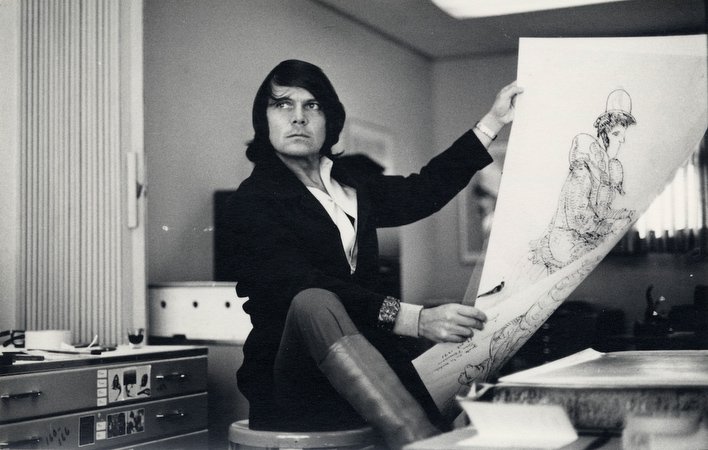
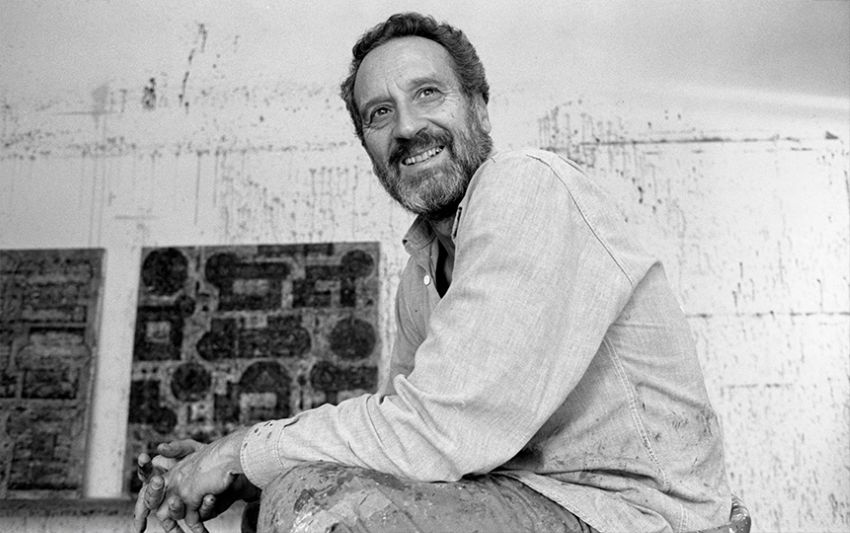
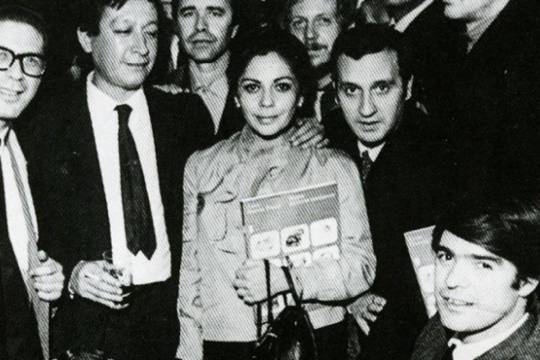

They weren’t just fighting styles—they were fighting power. The government-funded art machine sidelined them, galleries blacklisted their shows, and critics labeled their work “un-Mexican.” But in 1958, Cuevas dropped a diss track in essay form (“La Cortina del Nopal”), accusing muralistas of being a “cactus curtain” stifling creativity. Mic drop.
La Ruptura Wasn’t Just a Trend—It Was a Revolution. This wasn’t about provocative pictures. La Ruptura was a middle finger to cultural gatekeepers. While Rivera’s murals screamed “¡Viva la revolución!”, Ruptura artists whispered, “¿Y mi libertad?” They embraced global trends (abstract expressionism, cubism) but kept Mexican soul—think pre-Hispanic symbols filtered through a psychedelic lens.
The Legacy: How a Banned Art Movement Became Immortal

The backlash backfired. By the 1960s, the campaign to censor this art movement actually shone a spotlight on it. La Ruptura was becoming more widely spread, recognized, understood and even adopted. The work infiltrated galleries from NYC to Paris, proving Mexican art could be both fiercely local and wildly universal. Today, their pieces sell for millions, hang in MoMA, and inspire Gen-Z TikTokers to paint their existential dread in neon.
Today, La Ruptura is more relevant than ever. In a world obsessed with labels—“authentic,” “woke,” “sellout”—La Ruptura’s message hits harder: Art doesn’t owe you anything. These artists refused to be boxed into “Mexicanness,” yet their work redefined it. They partied with European avant-gardes, smoked with Beat poets, and still made time to troll the establishment. They became iconic.
So next time someone gushes over Frida’s floral crowns, hit ’em with this: “Cool, but have you seen Lilia Carrillo’s abstract rage?” La Ruptura didn’t just break rules—it rewrote them. And honestly? We’re still catching up.
