
There's this uncomfortable truth that few movie lovers want to admit: most films treat art like glorified wallpaper. Paintings just hanging there in the background. Sculptures placed strategically around rooms. Antiques barely getting a second glance. But when a director actually gets the power of art, those pieces stop being set dressing and start carrying the story. That's exactly what's happening with The Phoenician Scheme, from the acclaimed director Wes Anderson.
This production—which is already generating serious buzz heading into awards season, including the Academy Awardsthe artwork doesn't just decorate the frame. It performs. And once you notice it, you literally can't watch movies the same way again.
The Painting That Steals the Show in The Phoenician Scheme The Phoenician Scheme
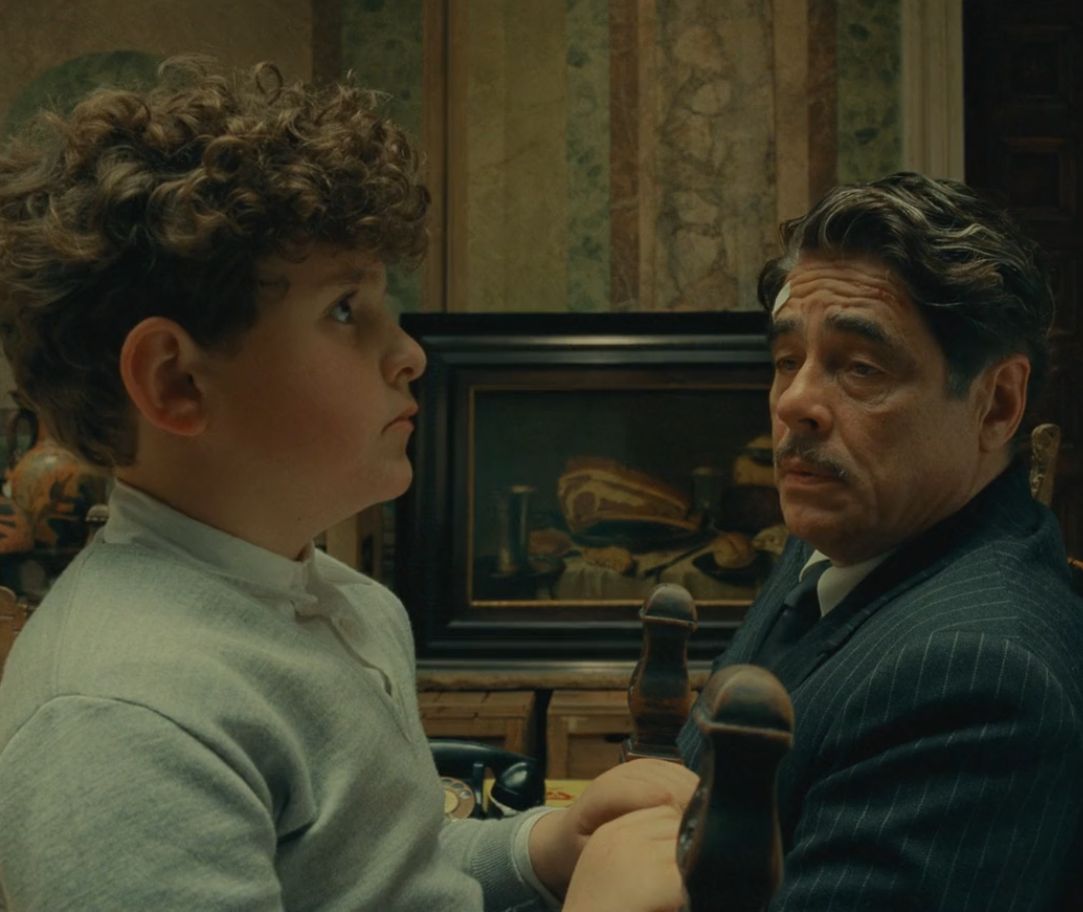
There's this one moment in The Phoenician Scheme that basically unlocks the whole film.
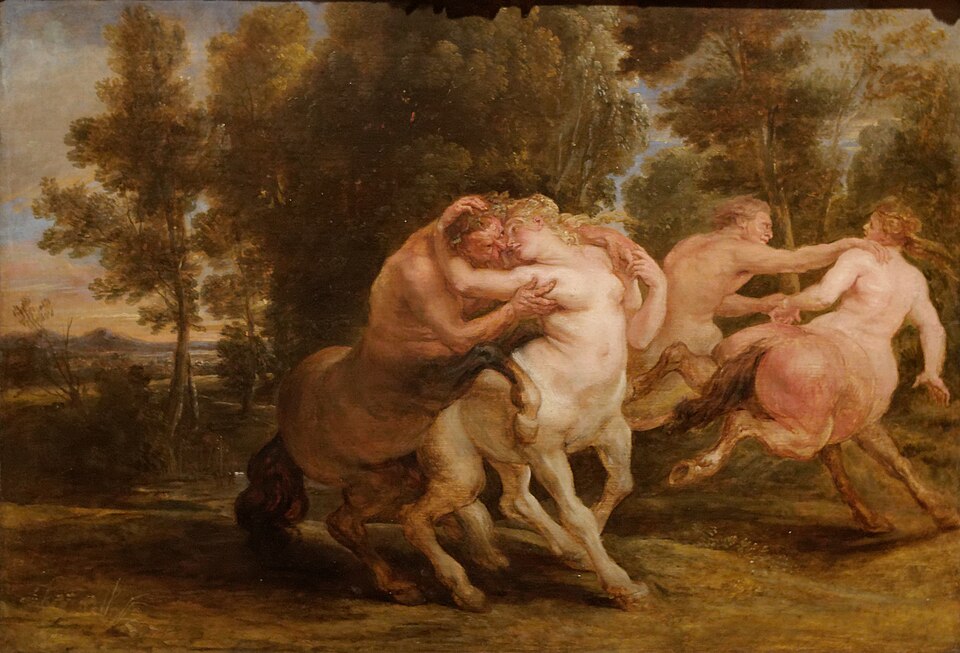
Zsa-zsa Korda's kid (yeah, Benicio Del Toro's character, the European tycoon) is completely locked in on Peter Paul Rubens's painting "The Loves of the Centaurs" (c. 1635). And it prompts his father to drop this line that basically sums up every serious collector's mindset:
“Never buy good pictures. Buy masterpieces.”
This isn't just dialogue. It's basically a whole philosophy packed into one sentence.
Because in this Wes Andersonfilm, the masterpieces aren't just hanging around looking pretty. They're there to tell us something. To drop hints about secrets. To literally advance the plot.
And some of them are the actual deal.
That Renoir That Used to Belong to Greta Garbo
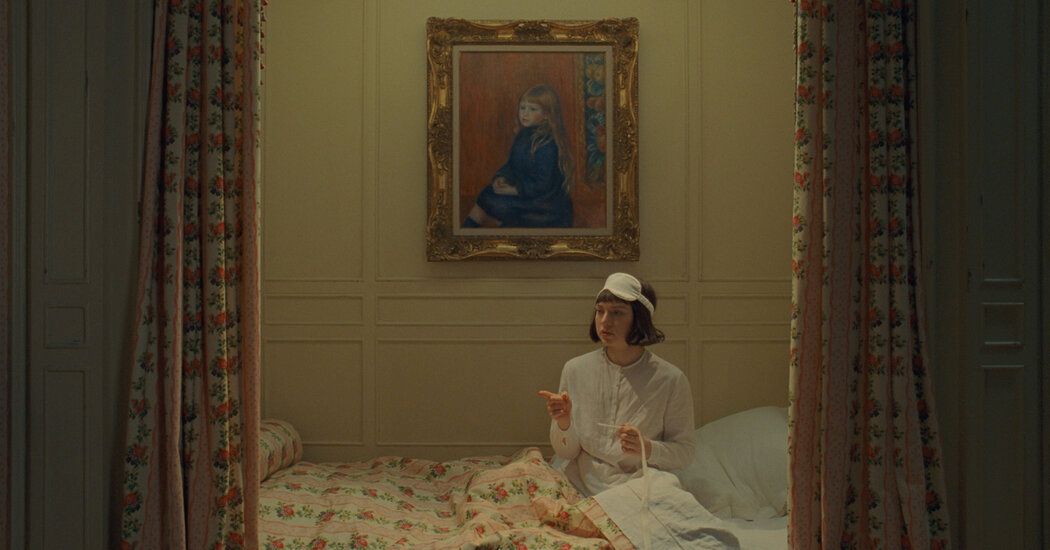
One of the most intriguing pieces in the film is this portrait called “Enfant Assis en Robe Bleue” by impressionist legend Pierre-Auguste Renoir. And no, it's not some prop replica.
It's an actual Renoir. With backstory that's pure Hollywood gold: for years, it lived in the personal collection of hollywood's actress Greta Garbo.
In the movie, it's just hanging in a room, looking like another design element. But it's totally not.
The film's art curator explained that every painting was strategically chosen to reflect something about the characters' inner worlds. A Renoir—with all that tenderness and softness—doesn't end up there by accident.
Magritte, Surrealism, and Those Hidden Clues
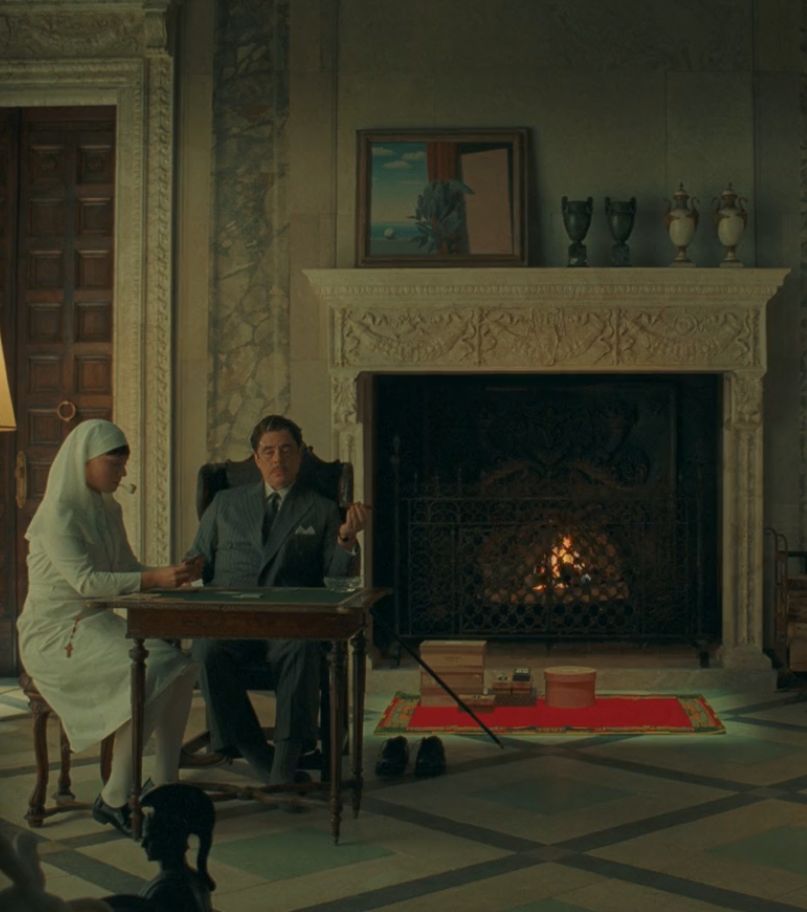
Another wild card in this artistic ensemble is René Magritte, specifically his piece “The Equator”.
It's on screen for a sec, but its presence adds this whole other layer.
Magritte was basically the GOAT of surrealism—an entire movement built on paradoxes, hidden identities, and reality getting weirdly ambiguous.
Sound familiar? It's literally the same themes driving the whole film.
Translation: the painting isn't there for the aesthetic. It's there for the story.
A Palace Packed with Masterpieces
The eccentric tycoon at the center of the story lives surrounded by European art. His fictional mansion is stacked with a collection including:


Most of these pieces were sourced from actual European museums and private collections, pulled together by curator Jasper Sharpspecifically for this production. The result is straight-up incredible: a film set that could easily pass for an actual museum gallery.
Cinema as This Underground Museum
What's happening with The Phoenician Scheme is part of a bigger trend in contemporary film: artwork functioning as supporting cast. They don't speak. They don't move. But they're 100% shaping the story.
A painting can unlock a character's psychology. A sculpture can telegraph power or decay. An antique can bring centuries of history into a single frame.
Film—already a visual medium—finds this instant symbolic language in the art that came before it.
Other Films and Series Where the Art Absolutely Steals Scenes
This move—turning art into a silent lead—didn't start with Wes Anderson. Directors and showrunners across the board have figured out what a well-placed artwork can do.
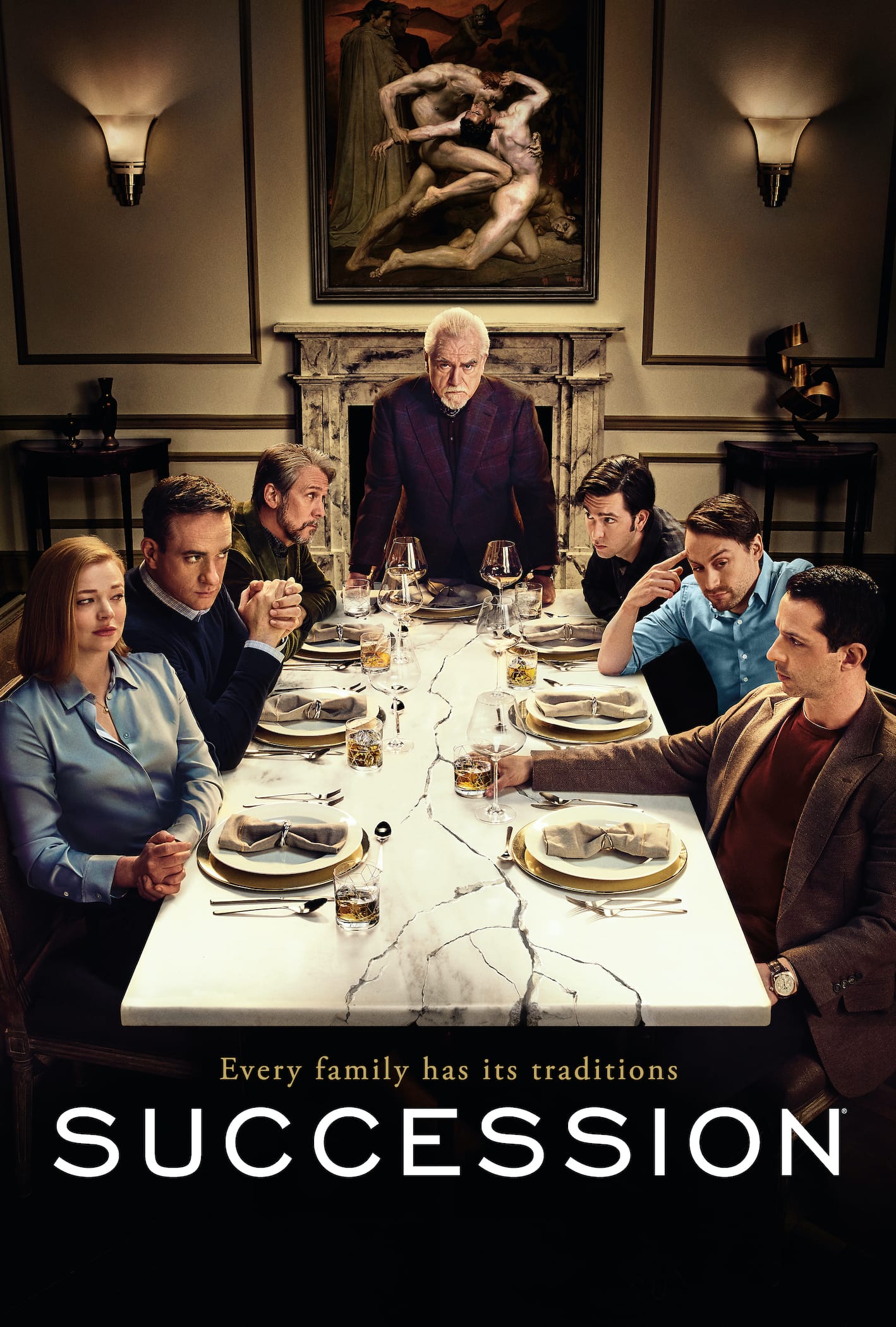

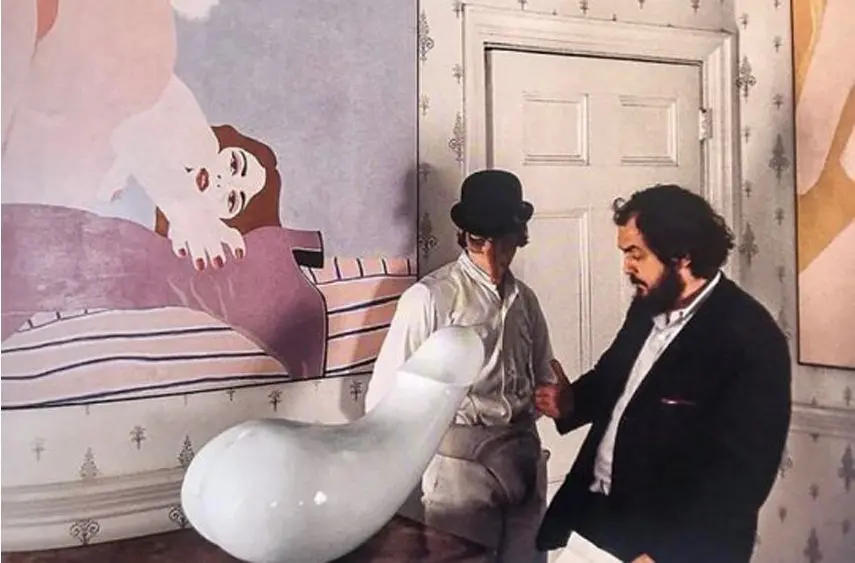
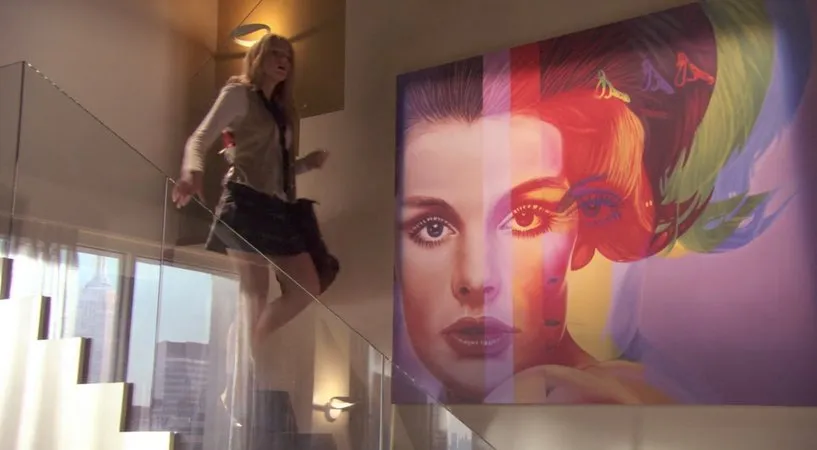
In A Clockwork Orange by Stanley Kubrick, for example, the director uses the pop sculpture Rocking Machine as this provocative piece reflecting the main character's violence and hedonism. The Successioncrew inhabit spaces dripping with contemporary art—from William-Adolphe Bouguereau to conceptual pieces by Jean-Michel Basquiat —that signals cultural power as much as financial flexing. Gossip Girlbasically turns galleries and private collections into characters themselves, where art mingles with Manhattan social warfare. And in Billions, Bobby Axelrod's whole collection flex— Damien Hirst, Andy Warhol and even Vincent van Goghreminds us that in the world of massive wealth, art is strategy, status, and legacy wrapped into one.
Art Always Finds Its Way
Movies and shows like these remind us of something kind of beautiful: art never really disappears. It lives in museums. In private collections. In houses loaded with history. In the films, streaming series, and stories we consume every single day.
We're surrounded by art, even when we're not looking for it. And maybe the real takeaway is this:
you don't need to be an expert to vibe with it.
You just need to actually look. Because any moment—in a movie, a gallery, or some random private collection—a masterpiece can show up and totally steal your scene.


