

Imagine you're painting a portrait. You pick up your brush, dip it into that warm brown pigment that brings shadows and skin tones to life, and apply the stroke with the ease of someone who has been doing this for years. What you don't know (or perhaps you do know and simply don't think about it) is that inside that tube of paint there is ground human bone. Ground Egyptian mummy.
This is not fiction. This is the true story of Mummy Brown, the darkest pigment in every sense of the word that ever existed on a painter's palette.
From the Tomb to the Artist's Studio
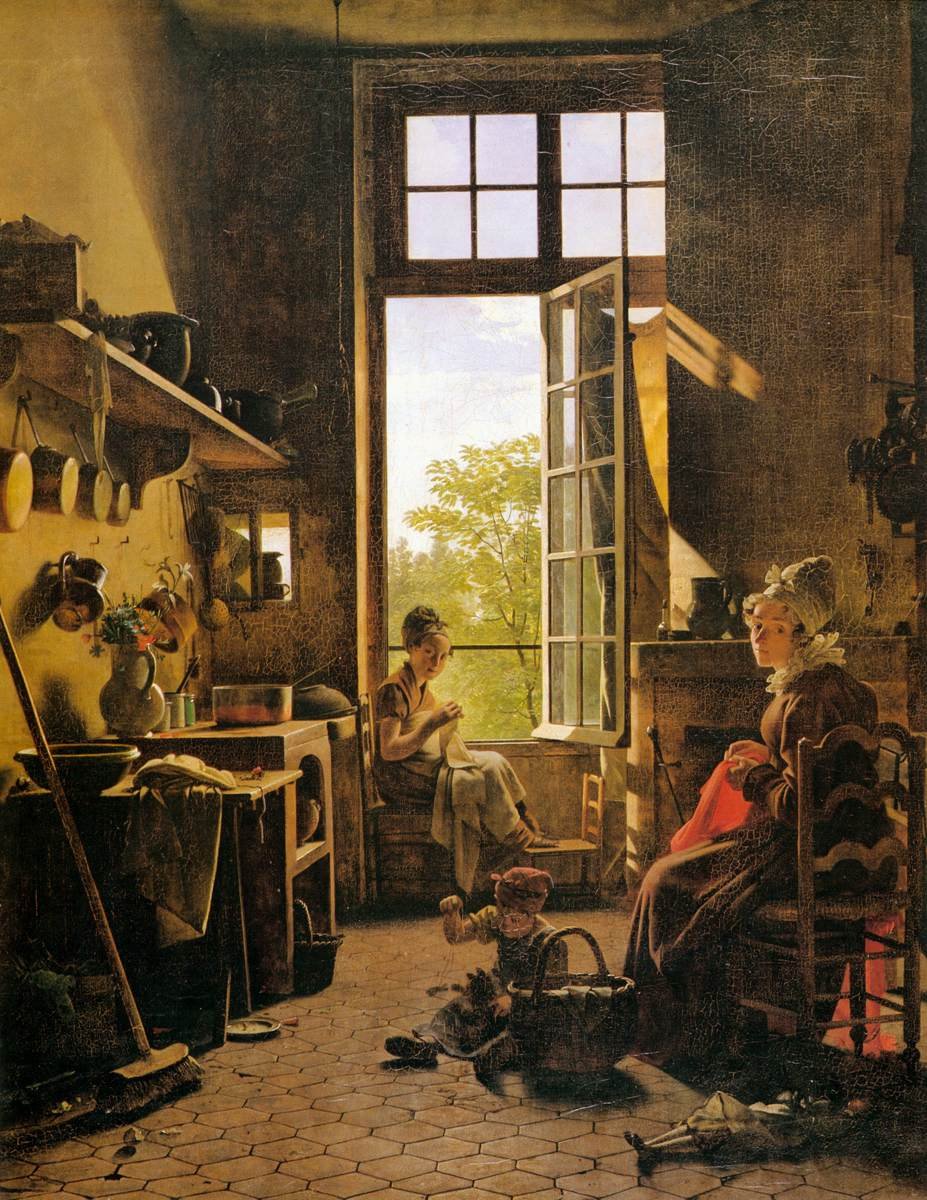
Mummy Brown, also known as Mommia or Momie, began circulating in Europe around the 16th century. The recipe was as simple as it was chilling: Egyptian mummies, both human and feline, were ground into a fine powder, then mixed with white pitch and myrrh to produce a reddish-brown, translucent, and extraordinarily versatile pigment.
Painters loved it. It was perfect for glazes, for painting deep shadows, and, curiously, for rendering flesh tones: the warm hues of human skin. What a disturbing irony. The remains of people who died thousands of years ago being used to bring the living to life on canvas.
The Artists Who Used It (Without Knowing What It Was)
This is where the story becomes deliciously uncomfortable.
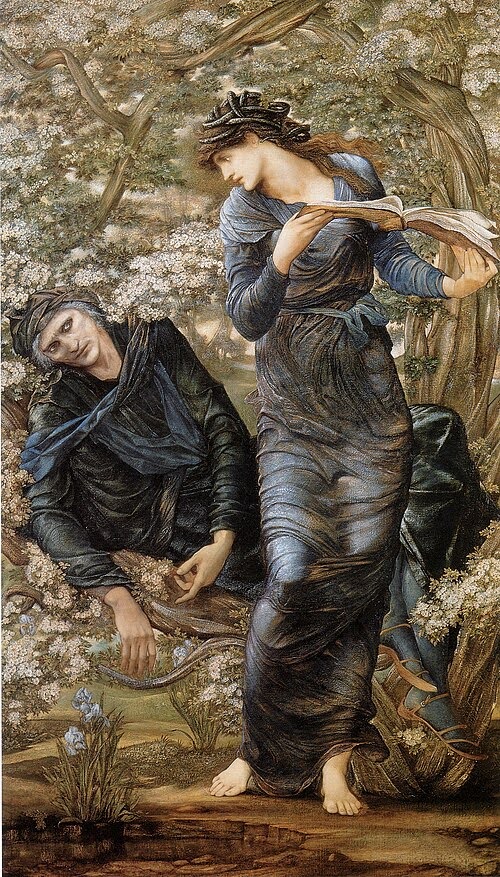
Mummy Brown reached its greatest popularity during the 19th century, especially among the Pre-Raphaelites, that group of English painters who rejected academic art in favor of vivid, intense realism. Artists such as Eugène Delacroix, Sir William Beechey and Edward Burne-Jones kept stocks of the pigment in their studios. Some historians suggest that the sensuous, finely detailed Pre-Raphaelite paintings that hang today in the world's greatest museums may literally be made, in part, of Egyptian mummies.
But the most memorable anecdote belongs to Burne-Jones.
The story goes that during a dinner party, the painter Lawrence Alma-Tadema began telling his hosts, the Burne-Joneses, that his art supplier kept an Egyptian mummy in his studio to produce the pigment. Edward Burne-Jones listened with growing disbelief. He used Mummy Brown. He had used it for years. But he had always assumed the name was simply... a name. A commercial label. Like "Prussian blue" or "emerald green."
No. The name was completely literal.
Burne-Jones bolted from the dinner table, crossed his garden to his studio, grabbed his tube of Mummy Brown, and buried it with every funeral honor he could improvise on the spot. He was not going to be the one who kept using that.
The Most Macabre Trade in Art History
To understand the full scale of this, you have to understand that Egyptian mummies were not a rarity in Europe between the 16th and 19th centuries. They were a commodity.
Mummies arrived by ship from Egypt, especially after Napoleon's invasion unleashed a new wave of Egyptomania across the continent, and were sold in European apothecaries alongside other medicines. Yes: mummies were also used as medicine. Mummy powder was considered a remedy for all manner of ailments, from bruising to epilepsy.
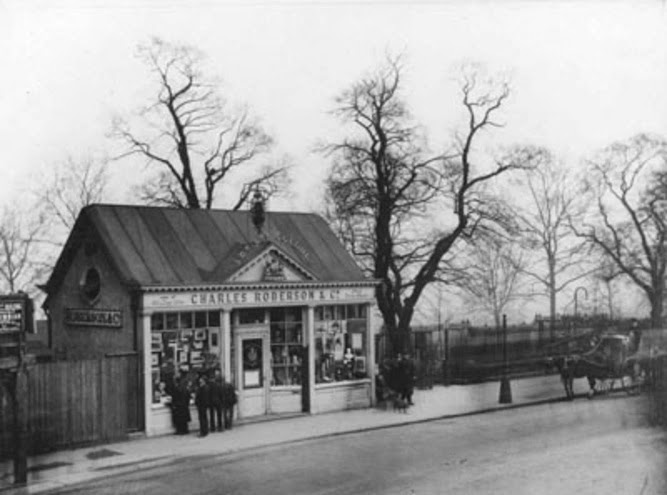
But the most famous establishment in this trade was C. Roberson & Co., a London-based art supply house that continued to produce and sell Mummy Brown with complete normalcy well into the 20th century. In 1964, the year the Beatles released A Hard Day’s Night, a company director confided to Time magazine that they had been forced to stop making it. The reason: they had run out of mummies. "We might have a few odd limbs lying around somewhere," he said, "but not enough to make any more paint. We sold our last complete mummy some years ago for, I think, three pounds."
Three pounds!
A Roberson representative recalled seeing mummy parts in the shop as late as the 1980s, when the company was sold to a new owner.
The World's Most Famous Paintings Might Contain Mummy

This is the question no one can answer with certainty: which masterpieces contain Mummy Brown?
The honest answer is that we don't know exactly. Identifying the pigment in old paintings is technically possible but complex. What we do know is that the artists who purchased it were among the most influential of their era.
The hypothesis, put forward by National Geographic, is that Liberty Leading the People by Delacroix, may contain the pigment. It has also been suggested that some of the great Pre-Raphaelite paintings, including murals by Burne-Jones and Rossetti for the Oxford Union Library, may have used it.
Conservator Sally Woodcock, a researcher at the Roberson Archive at Cambridge's Fitzwilliam Museum, noted something that is almost poetic in its absurdity: "It would be quite interesting to see if these artists were using mummies to paint mummies," given that several Pre-Raphaelite painters who bought the pigment from Roberson painted scenes set in ancient Egypt.
Why Did It Fall Out of Use?

For two reasons that arrived at the same time.
The first was ethical. In the early 20th century, the world began to recognize the scientific, archaeological, and cultural value of mummies. The idea of grinding them up for paint started to seem what it had always been: a desecration. The decline in mummy exports from Egypt also caused the supply to dry up progressively.
The second was technical: Mummy Brown was, at bottom, a rather poor pigment. Over time it tended to crack and fade. The arrival of synthetic pigments in the 20th century offered more stable, more predictable alternatives and, crucially, ones that required digging up nobody.
Today the name "Mummy Brown" is still used to describe a specific shade of brown, but modern versions of the pigment are made from minerals such as hematite and quartz. Zero human remains. Zero mummies. Just chemistry.
What This Tells Us About Art and History
The story of Mummy Brown is, at its core, a story about how much we ignore regarding the objects that surround us.
When we walk through a museum and stop in front of a Victorian painting with rich colors and warm shadows, we don't think about the ingredients. Just as when we sit down to eat we don't think about the entire chain that brought that food to our table. Objects, especially objects with history, carry layers of reality that the surface glance never reaches.
And perhaps that is what is most fascinating about antique art and antiquities: every piece has a hidden story, sometimes beautiful, sometimes uncomfortable, sometimes completely disturbing.
Like the story of that perfect brown that the world's greatest painters applied to their canvases, not knowing, or not wanting to know, that they were painting with the dead.
Do you have a piece at home whose full story you don't know? At 32 Reales that is exactly what we are passionate about: discovering what lies behind objects. Visit our shop and explore our inventory of art and antiques at 32reales.com.
