

Ever wondered why those stunning 19th-century sculptures have such different prices? It might be because they're made of different materials. In the 19th century, both bronze and spelter became popular materials for sculptures. Bronze, a timeless alloy of copper and tin, has been prized for its durability, beauty, and historical significance since ancient times. Its rich patina and lustrous finish have made it a favorite choice for sculptors for millennia, making it a symbol of prestige and quality. On the other hand, spelter, an alloy of zinc and lead, emerged as a more affordable alternative. It was widely used in decorative items and mass-produced sculptures, especially during the Art Deco period.

How to Tell Bronze from Spelter: A Collector’s Guide
So, how can you tell the difference? Let's dive into the world of bronze and spelter and learn how to spot one from the other. Here are a few tips:
Weight and Density: Bronze is significantly heavier than spelter. If you lift a sculpture and it feels surprisingly light for its size, it might be spelter.
Magnetic Test: Spelter is slightly magnetic, while bronze is not. However, this test is not always conclusive, as some bronze alloys may contain small amounts of iron.
Color and Patina: Bronze has a warm, golden-brown color and develops a greenish patina over time. Spelter, however, tends to have a duller, greyish appearance and may be painted to mimic bronze.
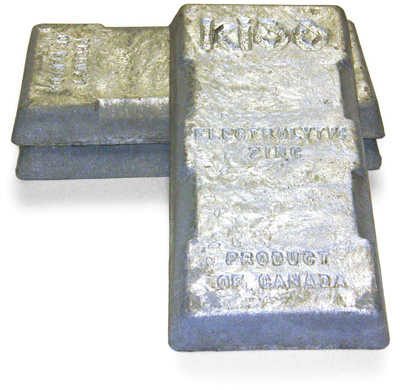
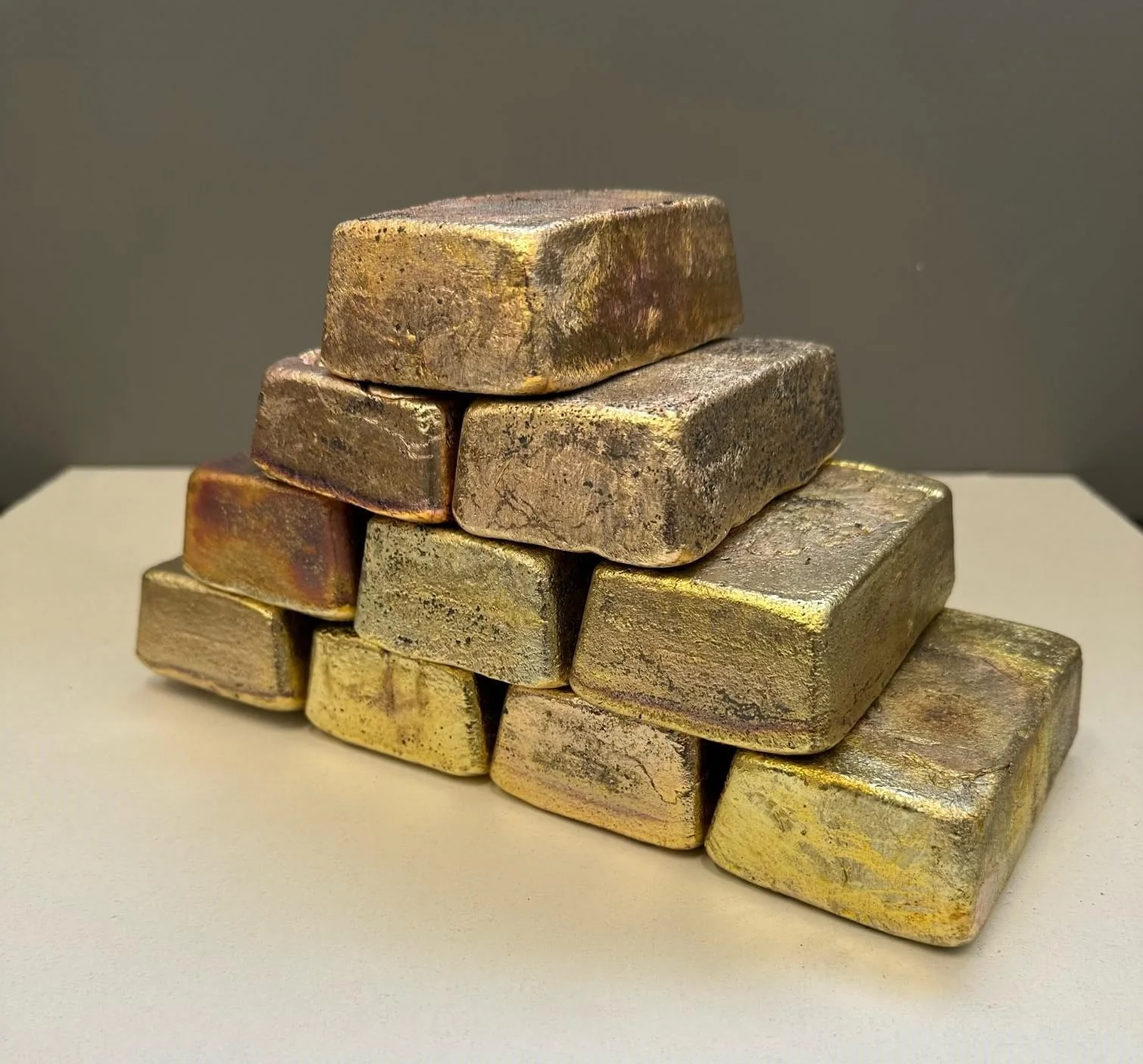
Sound Test: Tap the sculpture lightly with a metal object. Bronze produces a clear, ringing sound, while spelter gives a dull thud.
Surface and Detail: Bronze sculptures often have finer details and smoother surfaces. Spelter, being more brittle, can show more casting imperfections and is prone to chipping.
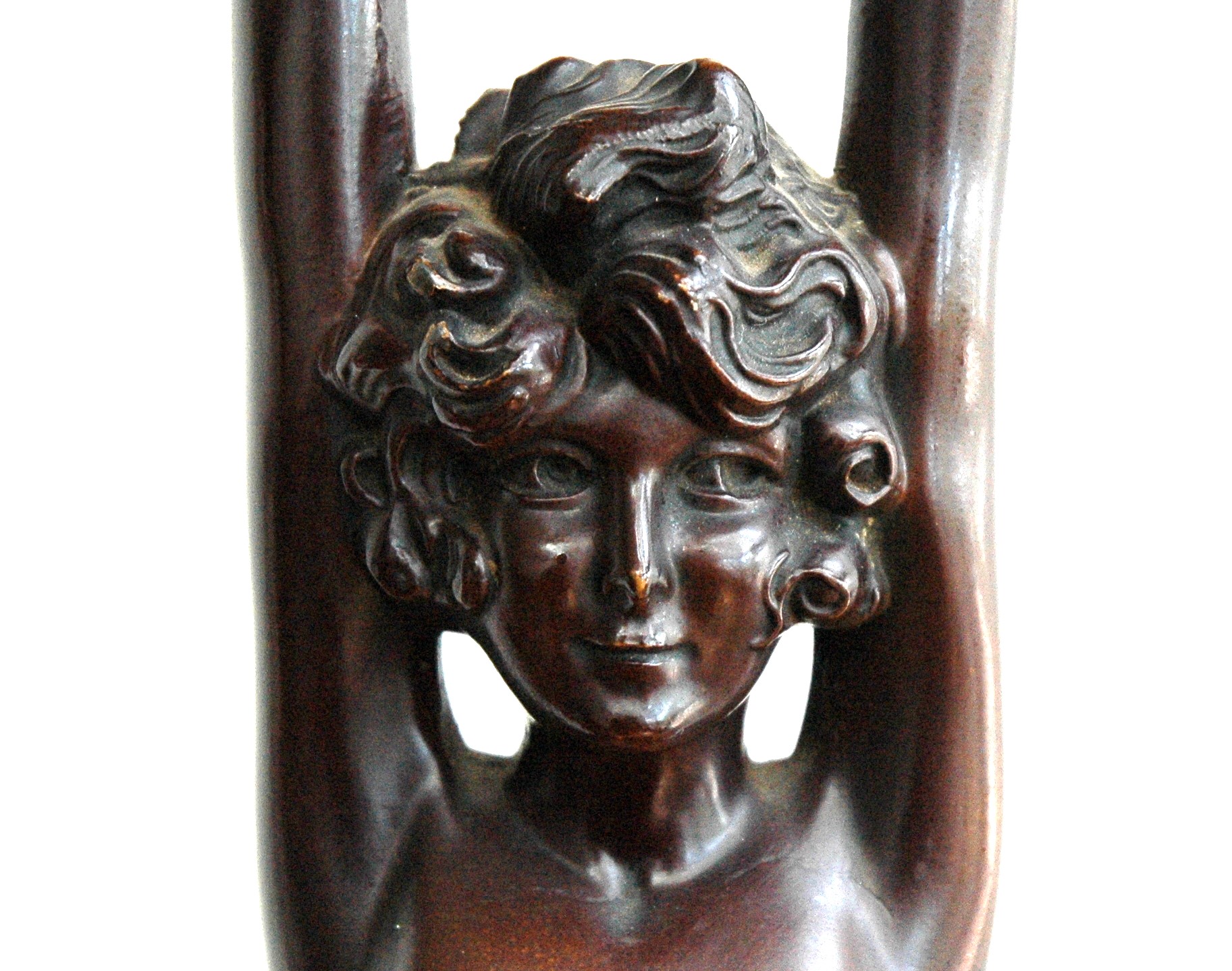
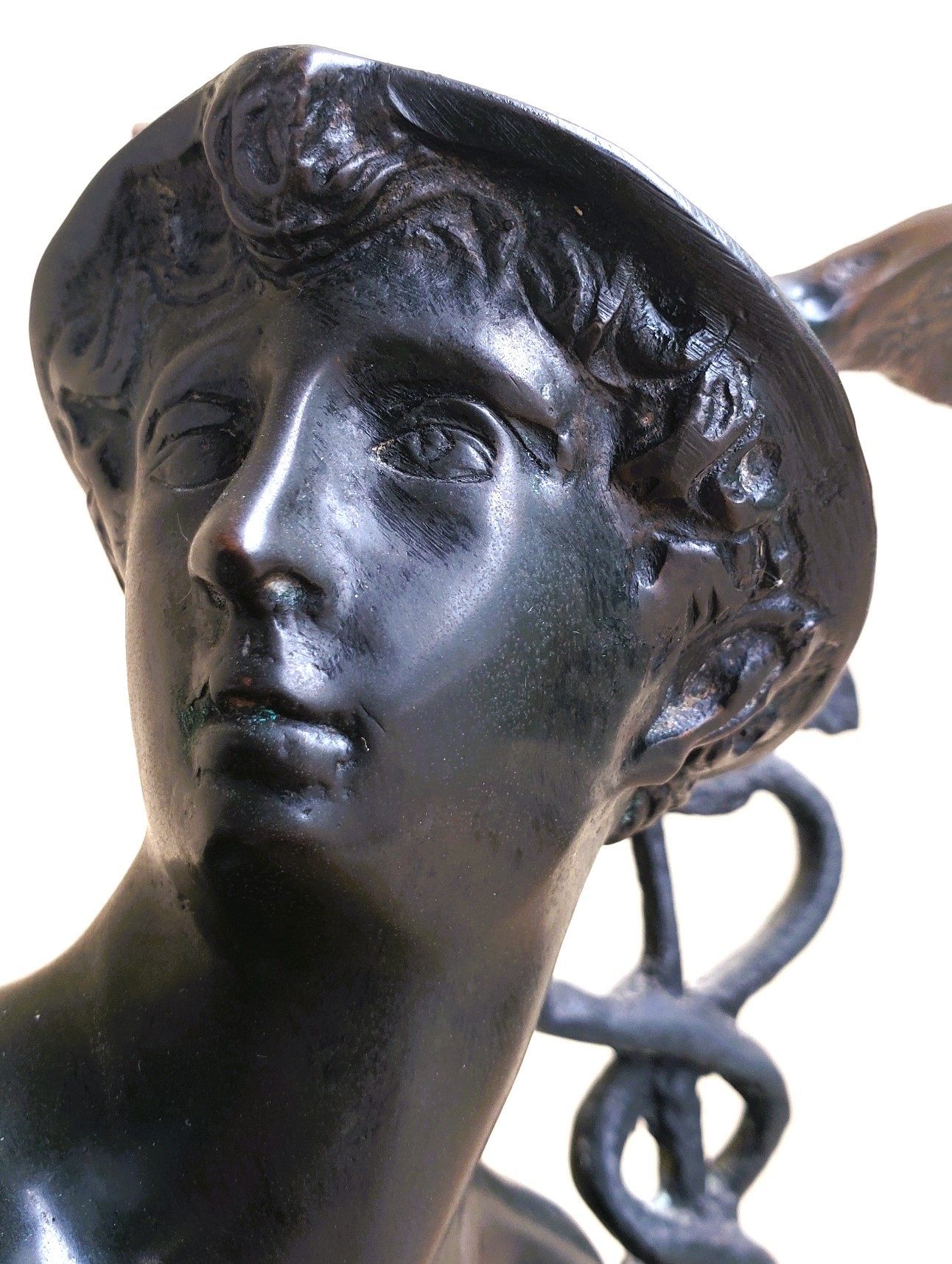
Scratch Test: Carefully scratch a hidden area of the sculpture. Bronze will reveal a yellowish color, while spelter will show a silvery or grey mark.
Corrosion: Spelter corrodes more easily than bronze. Look for signs of white or grey corrosion, which indicate spelter.
Expert Examination: If you're still unsure, consider consulting a professional appraiser or antique dealer who can examine the sculpture for clues about its material.
The Importance of Knowing Your Materials
There are a lot of beautiful sculptures in antique markets, and the piece that catches your eye might be made out of spelter. There is nothing wrong with these, however when purchasing a sculpture, always check the material to ensure you’re paying a fair price. Knowing whether a piece is bronze or spelter can make a significant difference in its value. So next time you’re eyeing that beautiful antique, remember these tips and make an informed decision!
