

The crucifixion of Jesus on Good Friday was a brutal spectacle that turned a torture device into the world’s most recognizable symbol. On that fateful day, Roman soldiers nailed a carpenter-turned-preacher to a wooden cross, an act meant to crush rebellion and instill fear. Yet, this gruesome execution sparked a revolution, transforming a symbol of death into one of hope, sacrifice, and redemption. The cross’s story, however, doesn’t start at Golgotha. Its origins are older, darker, and far more controversial.
The First Cross: Before Jesus, There Was… the Ankh?

Let’s rewind—way back. The cross as a symbol didn’t start with Jesus. Its oldest known use dates back to the Pachmarhi hills, in the heart of India. This symbol, carved into ancient caves with rock art dating back more than 10,000 years, could be the oldest representation of a cross ever discovered—thousands of years before it appeared in Egypt or Mesopotamia.
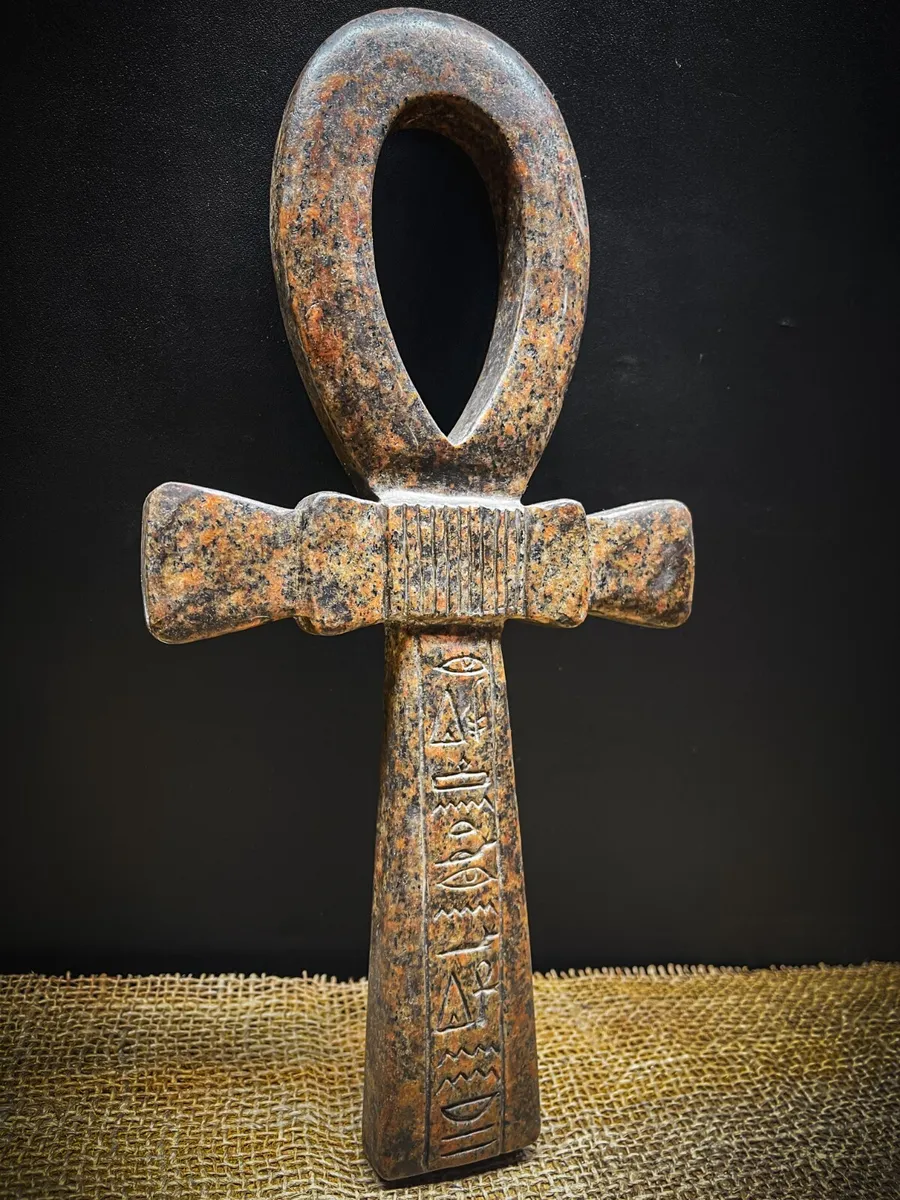
By 2000 BCE, the Egyptians were using the ankh, a cross with a loop at the top, symbolizing eternal life. It was a far cry from the rugged execution tool of Roman times. This badger was all about fertility, divine power, and the afterlife. Pharaohs clutched it; gods like Isis flaunted it. The cross was basically the ancient world’s favorite emoji—universal, versatile, and utterly disconnected from suffering.
From Death to Divinity: The Cross’s Makeover

As we approach 33 CE, crucifixions were Rome’s go-to punishment for criminals and insurrectionists. So when Jesus was nailed to a cross, early Christians were not rushing to immortalize the image. In fact, for 300 years, they avoided it since they saw it as too raw, too humiliating. Admitting your leader died on a cross? That was like bragging your CEO got fired via livestream. Instead, they used covert symbols like the fish (ichthys), anchors or the Good Shepherd.

By the 4th century, Emperor Constantine’s conversion to Christianity introduced many changes. Legend says he saw a cross in the sky before Battle of Milvian Bridge (312 CE), paired with the words, “In this sign, you shall conquer.”This was the origin of the Chi-Rho —in greek letters X is Chi and P is rho-a fancy cross-ish logo and monogram of "Christ" (χριστός) that merged Jesus with military swagger. Suddenly, the cross wasn’t shameful; it stopped being a death sentence and started to be seen as a victory banner.
Over centuries, the cross morphed. Medieval artisans jazzed it up with gems and gold, turning a torture rack into a dazzling status symbol for churches. The Latin cross (†) became the standard, but variations exploded:


Crusades: From Holy Symbol to War Cry

During the Crusades (11th–13th centuries), the cross transformed into a battle cry for Christian warriors. Emblazoned on shields, banners, and tunics, the red or white cross marked crusaders as soldiers of Christ, rallying them to reclaim the Holy Land. Yet, this militant cross also sparked division, as its use in violent campaigns clashed with its message of peace, leaving a complex legacy that still stirs debate.
By the Renaissance, the cross was less about battles and suffering and more about peace and divine order, etched into cathedral stained glass and altar pieces.
Symbolism: More Than Meets the Eye
The cross’s meaning has always been a shape-shifter.
- For early Christians, it was raw sacrifice—Jesus’s blood and pain.
- By the Middle Ages, it stood for cosmic balance, its four arms representing the elements or cardinal directions.
- Mystics saw it as a ladder to heaven.
- Even today, it’s a chameleon: a fashion statement on necklaces, a gang tattoo, or a quiet reminder of faith in a rural church.
Non-Christians got in on the action too.
- In Hinduism, the swastika, a cross variant, symbolized good fortune before its 20th-century hijacking by the SS party in Germany.
- Aztecs had their own versions and even Native American tribes used cross-like shapes to mark the four winds.
The cross’s universal appeal lies in its simplicity: two lines, endless stories.
The Legacy of the Cross
Today’s cross is a paradox—a 5,000-year-old symbol that’s still evolving. It’s on hospital walls, inked on biceps, and carved into antique rosaries. Its journey from Mesopotamian scribble to global icon proves its power to adapt, to carry whatever meaning we pin on it. Its power lies in its paradox: a symbol of death that promises life, a tool of oppression reclaimed as liberation.
As we head into Easter weekend, we wish you a happy, healthy holiday filled with reflection and maybe a few chocolate eggs. Take a moment to marvel at the cross’s epic saga, then swing by our curated selection of religious art and antiques. From vintage crucifixes to antique Santos , our collection will captivate your imagination and add a touch of history to your home.
