

As art and antiques dealers, we've seen it all: the good, the bad, and the heartbreakingly avoidable. Nothing catches our eye quite like the tragic sight of a line of lost paint running down the bottom side of a painting. Imagine our shock when we discovered that these seemingly mysterious marks were actually caused by well-meaning but ill-informed hands rubbing the painting with a damp cloth while trying to clean the frame. Before you put grab that dusting cloth, keep reading—because this could save your treasured art from a similar fate!

So, how do you clean your art without turning it into a disaster? Let's dive into the delicate world of art conservation.
Cleaning Paintings: A Delicate Dance
Assess Before You Address
Examine the artwork: Identify any areas of fragility or existing damage.
Research materials: Understand the media used and their specific care needs.
Gather the Right Tools

Soft brushes: Use a variety of sizes for different areas.
Microfiber cloths: Essential for gentle dusting.
Specialized cleaners: Only use products recommended for fine art and only when absolutely necessary.
The Golden Rule: Less is More.
Resist the urge to scrub. Over-cleaning can strip away valuable layers of varnish and paint.
Soft is the new hard. Use soft, lint-free cloths or brushes. Avoid abrasive materials like paper towels.
Dust, don't scrub. A gentle dusting can remove surface dirt without causing damage.
When cleaning oil or acrylic paintings, the focus is often on the surface, removing dust and grime without damaging the paint layer. Soft, lint-free cloths and gentle dusting are typically sufficient. However, when cleaning works on paper, such as drawings, prints, or watercolors, the approach must be even more delicate. Paper is fragile and susceptible to damage from moisture and abrasion. Instead of direct cleaning, it's often recommended to use techniques like vacuuming with a low-powered suction or using specialized paper cleaning tools. Always consult with a professional conservator for advice on cleaning specific works on paper, as improper handling can lead to irreversible damage.
The Mysterious Case of the Disappearing Varnish.
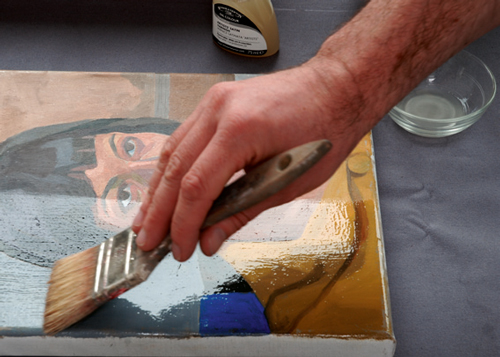
Varnish is your artwork's sunscreen. It protects the paint from UV light and environmental damage.
Don't mess with the master. Varnish removal and reapplication should be left to professional conservators.
A little TLC goes a long way. Regular dusting and gentle cleaning can keep your varnish in top condition.
Framing and Storage

Avoid tight frames: Ensure there's a small gap between the painting and the frame.
Climate control: Store and display in stable, humidity-controlled environments.
Sculpting a Brighter Future for Your Statues
Material Matters
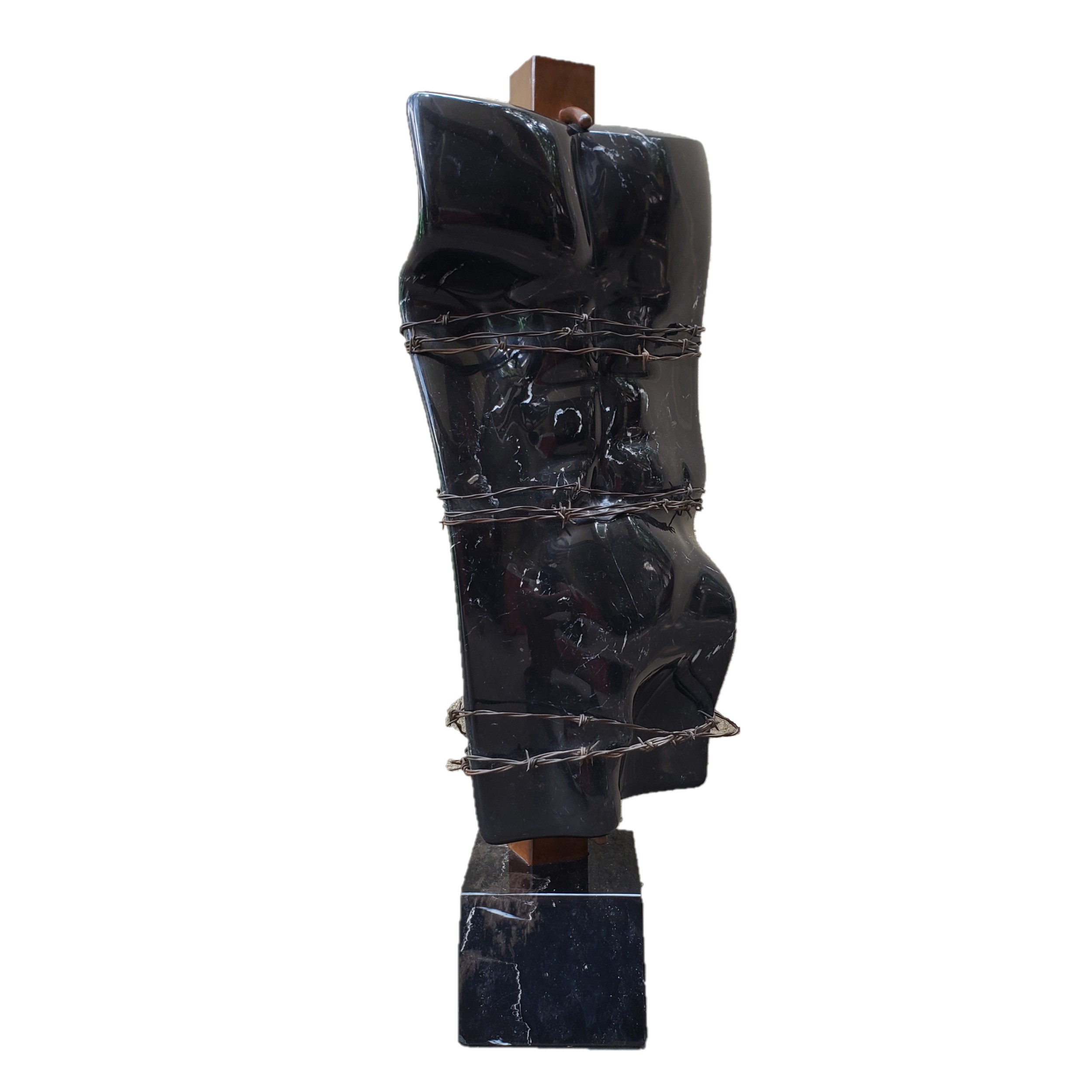
Identify materials: Is it bronze, marble, or something more delicate?
Research care: Different materials require different cleaning methods.
Brush Away Dust
Soft-bristle brushes: Ideal for removing dust from intricate details.
Compressed air: Can be useful for hard-to-reach areas—use sparingly.
The Great Stone Debate: To Clean or Not to Clean?
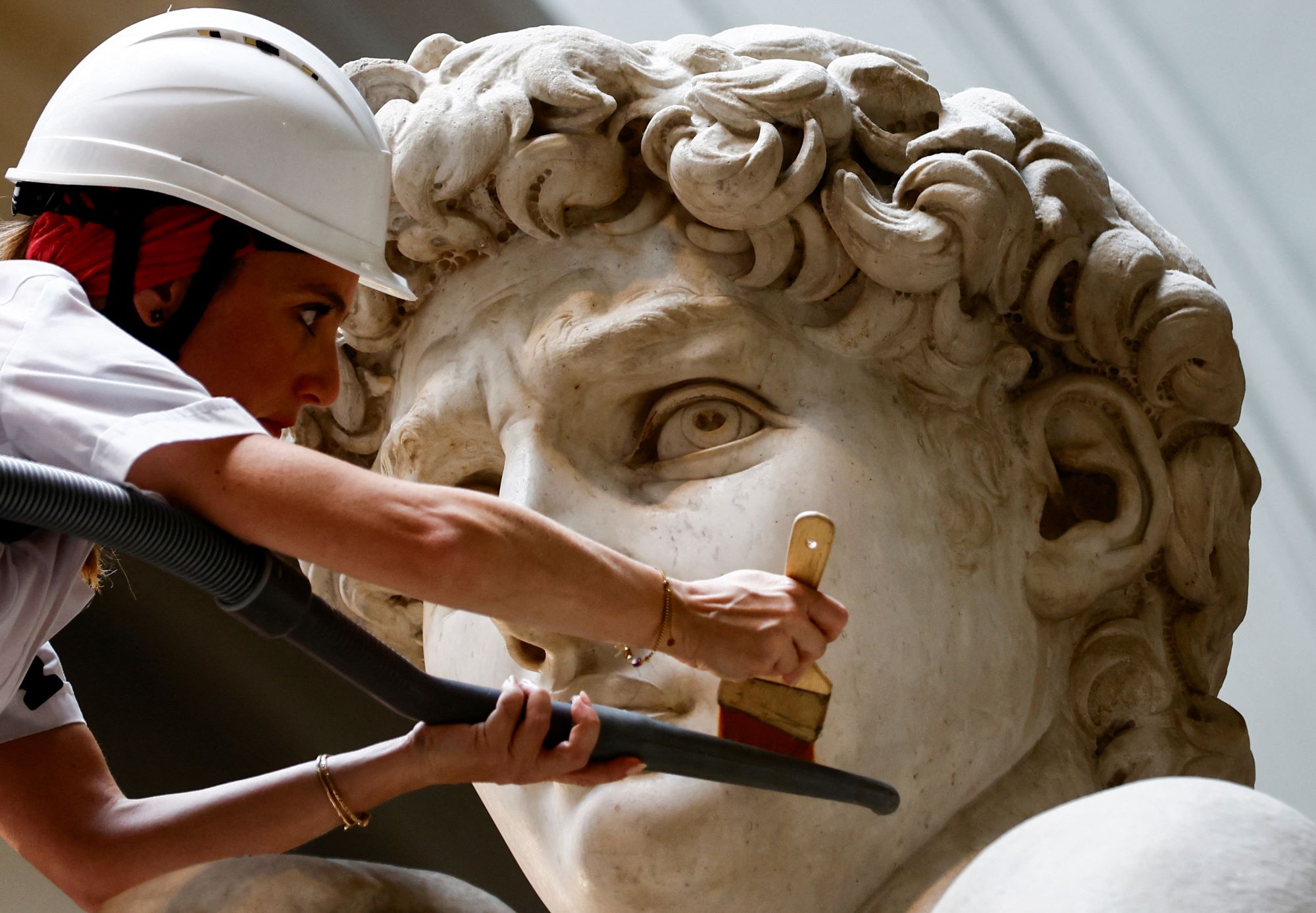
Nature's patina. Many stone sculptures develop a beautiful patina over time.
When to intervene. If dirt and grime are obscuring the sculpture's details, gentle cleaning may be necessary.
Consult the experts. A professional conservator can advise on the best cleaning methods.
Metal Matters: Rust and the Art of Preservation.
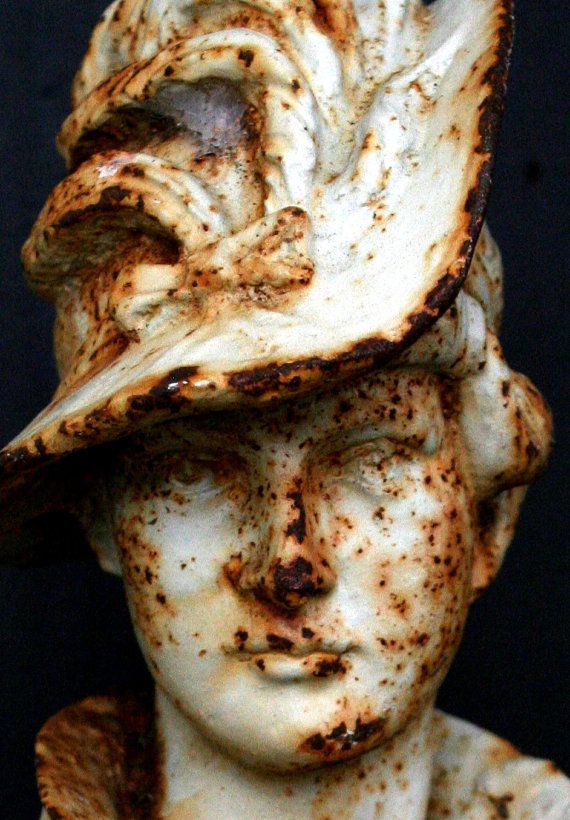
Rust never sleeps. Metal sculptures are susceptible to rust, especially in humid environments.
Prevention is key. Store metal sculptures in a dry, climate-controlled environment.
A touch of TLC. Periodically inspect metal sculptures for signs of rust and consult a conservator for cleaning advice.
Art: A Timeless Treasure
Art is a timeless treasure, and we are but temporary caregivers in its long journey through history. It's our duty to strive for the best care possible, ensuring that these masterpieces continue to inspire future generations. By following these simple yet crucial steps, you'll be preserving the integrity and beauty of your art collection for years to come. And if you're still unsure, consult a professional. Your artwork will thank you.
