

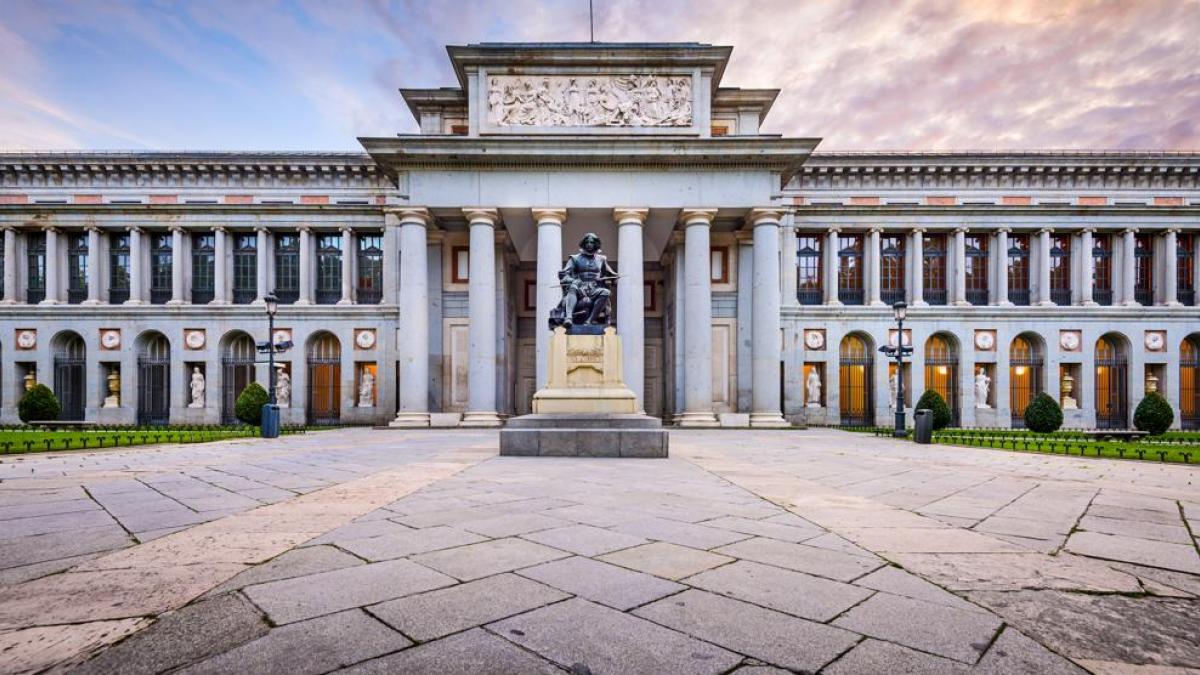
The Prado Museum is one of the most important in the world, boasting a collection that includes works by Velázquez, El Greco, Goya, Titian, Rubens, and El Bosco, among others. In addition to its impressive permanent collection, the Prado offers temporary exhibitions that enhance the cultural experience for its visitors. Carefully curated, these exhibitions provide a fresh and dynamic look at artistic diversity, offering visitors the opportunity to explore new perspectives alongside the classical treasures of the permanent collection.
Inspired by Velázquez's famous work, Las Meninas, the new temporary exhibition at the Prado Museum, "Reversos," invites visitors to turn the art experience around and explore the reverses and frames of the artworks, revealing hidden stories, secrets, and journeys. The exhibition encourages viewers to look beyond the pictorial surface and appreciate the paintings as three-dimensional objects with their own history. Instead of being greeted by the majesty of Las Meninas upon entry, visitors are confronted with a life-sized, austere recreation of the painting's reverse. You'll also discover the messages, seals, and sketches decorating the backs of some paintings, unveiling their origins, provenance, or destiny.
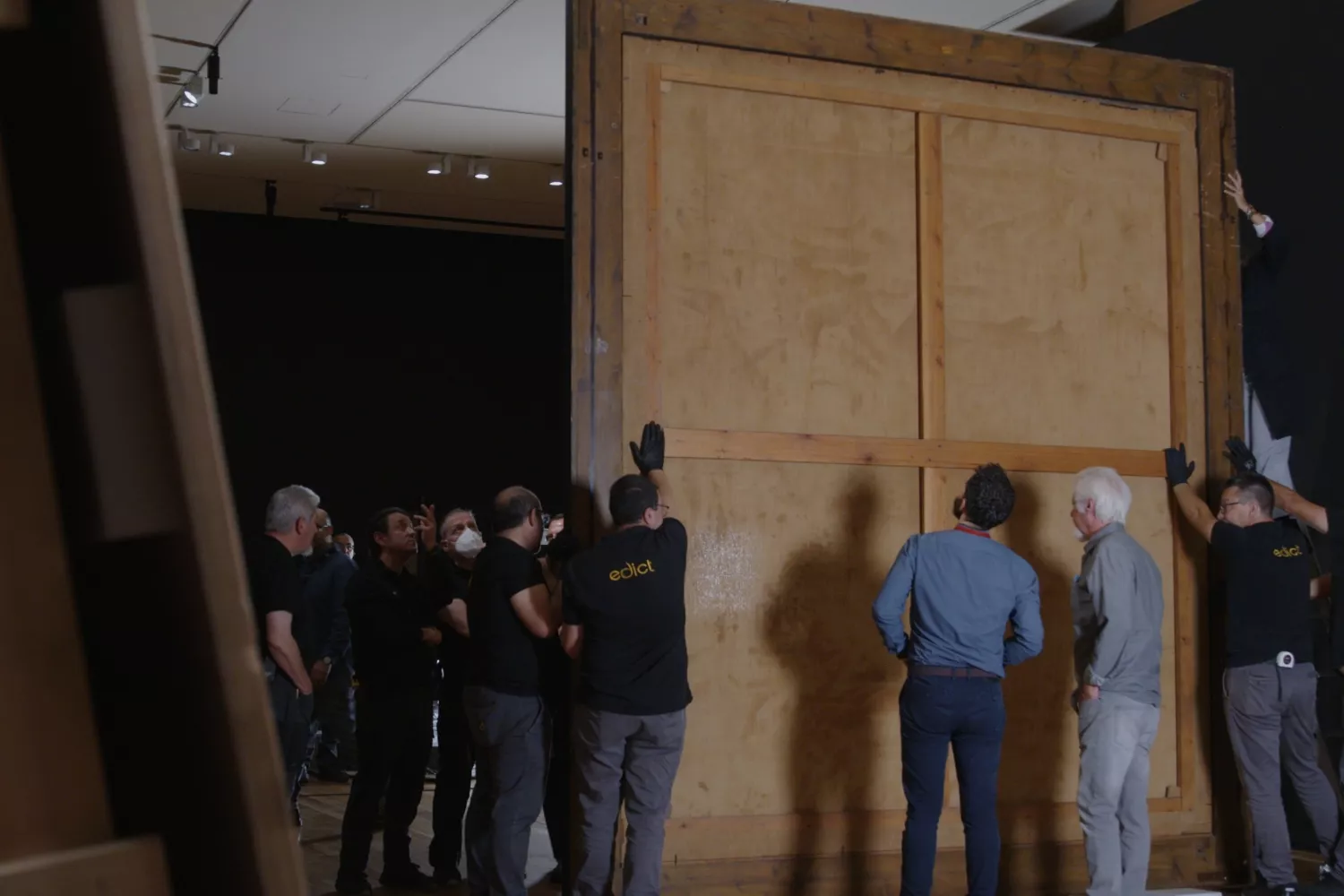
Curated by Miguel Ángel Blanco, the exhibition brings together 105 pieces from the Prado's collection and 29 international museums, immersing spectators in an atmosphere of mystery and revelation in rooms painted black. Miguel Falomir, the director of the Prado, emphasizes that the exhibition reminds us that art, especially painting, goes beyond the image itself. "When we see a work and its reverse, it's like standing before an archaeological discovery where each layer has its own story to tell," he comments.
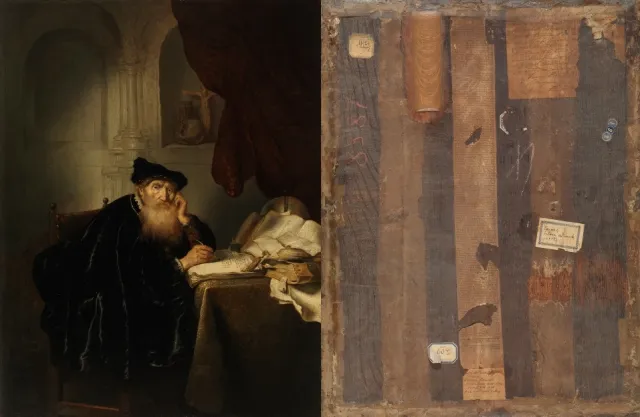
The exhibition highlights José de Ribera's Penitent Saint Jerome, which bears a Hebrew inscription revealing its Sephardic origin, and Salomon Koninck's Portrait of a Philosopher, containing a newspaper clipping and other signs on the back, demonstrating its part in a collection stolen from its Jewish owner by the Nazis.
The exhibition is divided into 10 sections, addressing different aspects of the reverse, such as the stretcher, double-sided paintings, the hidden side, information on the reverse, folds, cuts, and clippings, the viewer from behind, or ornaments and ghosts. Each section offers a different and surprising perspective on the artworks, prompting reflection on their materiality, history, and meaning.
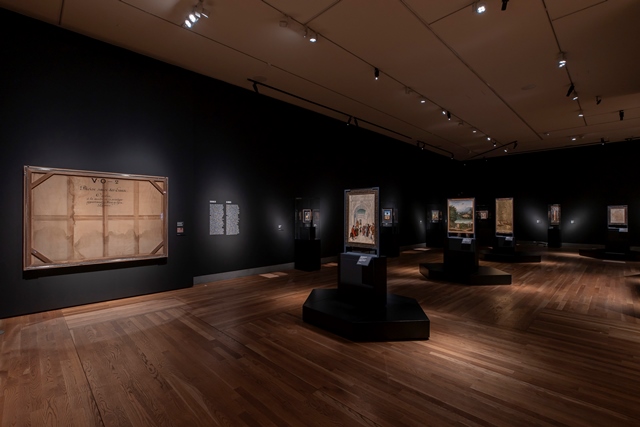
"Reversos" is an invitation to explore an unknown and fascinating dimension of art, allowing us to share in a privilege reserved for artists, restorers, and researchers. It brings us closer to the works and their creators, enabling us to enjoy them as complete objects and not just as images. Blanco highlights the striking exhibition of Martin van Meytens' "Kneeling Nun," showing a devout image on the front and revealing, on the reverse, an erotic image that belonged to the Swedish ambassador in Paris.
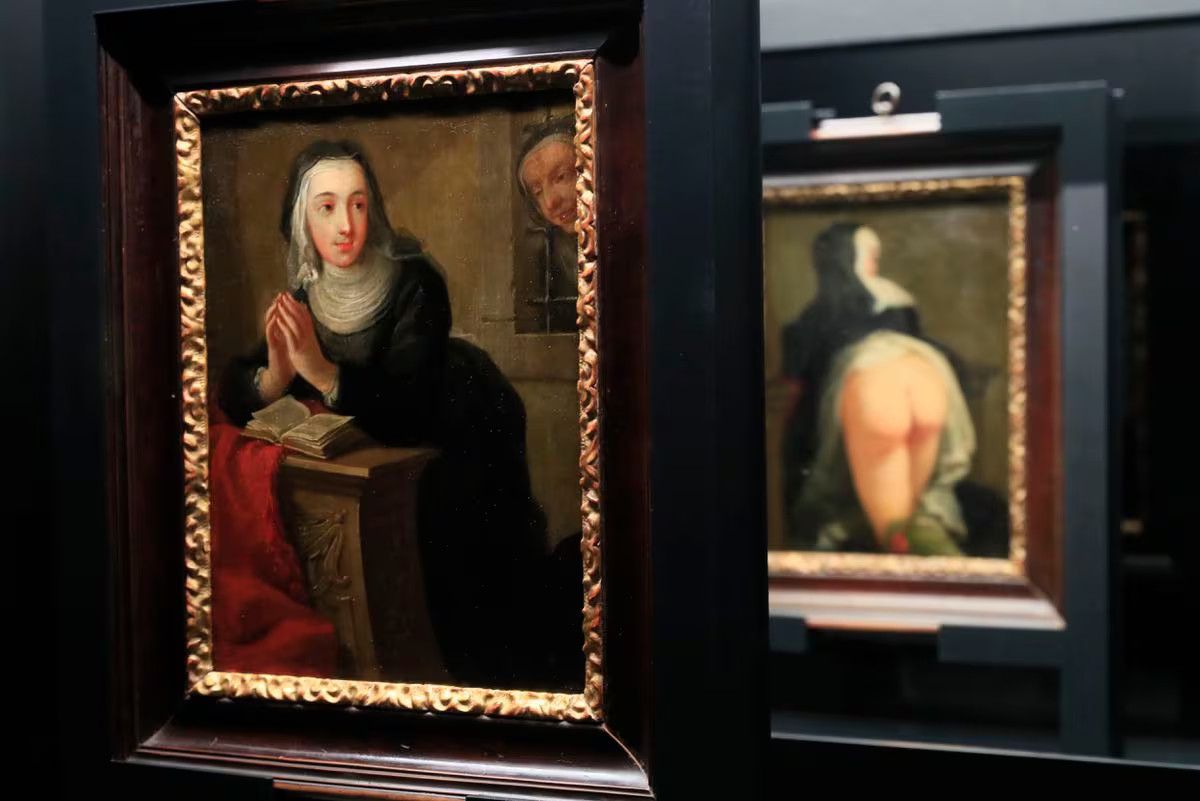
The exhibition will be at the Prado until March 3, 2024.
Discover the stories behind these treasures
-
 Gerardo Cantu Aquatint Print on Paper Pareja 1997 Signed
 -
 Jardín del Arte Escultórico Ciudad de México – A Henestrosa
 -
 Summa Pictorica Editorial Planeta 10 Volume New
 -
 Women of the English Court Thomas Murray y Leon Gozlan 1974
 -
 Aventuras de Gil Blas Alain-Rene Le Sage 1836 Ed Gorchs
 -
 Antonio Machado Obras Poesía y Prosa 2nd Ed Losada 1973
 -
 Jose Guadalupe Posada Historic Broadside Death of Pope Leo XIII Tribute 1903
 -
 Albrecht Bruck Color Etching Hamburg Old Town Hall c 1920
 -
 Lucien Alliot Spelter Sculpture Serpentine Ballerina Art Nouveau France c1925